Worki did not come from a pitch deck. It came together over years, in pieces – each one landing in a different place, rooted in a different thinker, and refusing to leave until they all fused into a company in 2025.
The conversation about AI in the enterprise has fractured into two camps. One predicts a dystopia where machines replace workers and institutions lose control. The other promises a utopia where technology solves everything if you just buy the right platform. Craig Allan Ahrens refuses to believe in a dystopian destiny that is unavoidable or a utopian fantasy based on one system “über alles.” Both are wrong. Both miss the actual problem and could lead to varying levels of disastrous outcomes for society.
The actual problem is infrastructure. Healthcare alone consumes over two trillion dollars annually in administrative overhead. Workforce and HR operations account for a staggering share of that waste: duplicated credentialing processes, fragmented scheduling systems, career development programs that exist on paper but not in practice, and dozens of disconnected platforms that store data but cannot act on it. Every health system builds and maintains this overhead independently. The cost compounds. The inefficiency compounds. Nothing else does. Healthcare is not the only industry burdened by this. Most complex industries share these traits.
Craig Allan Ahrens witnessed this firsthand at every organization he worked in early in his career. The pattern was always the same: fragmented systems, no visibility, and millions spent because the infrastructure to activate the workforce already inside the building had never been built.
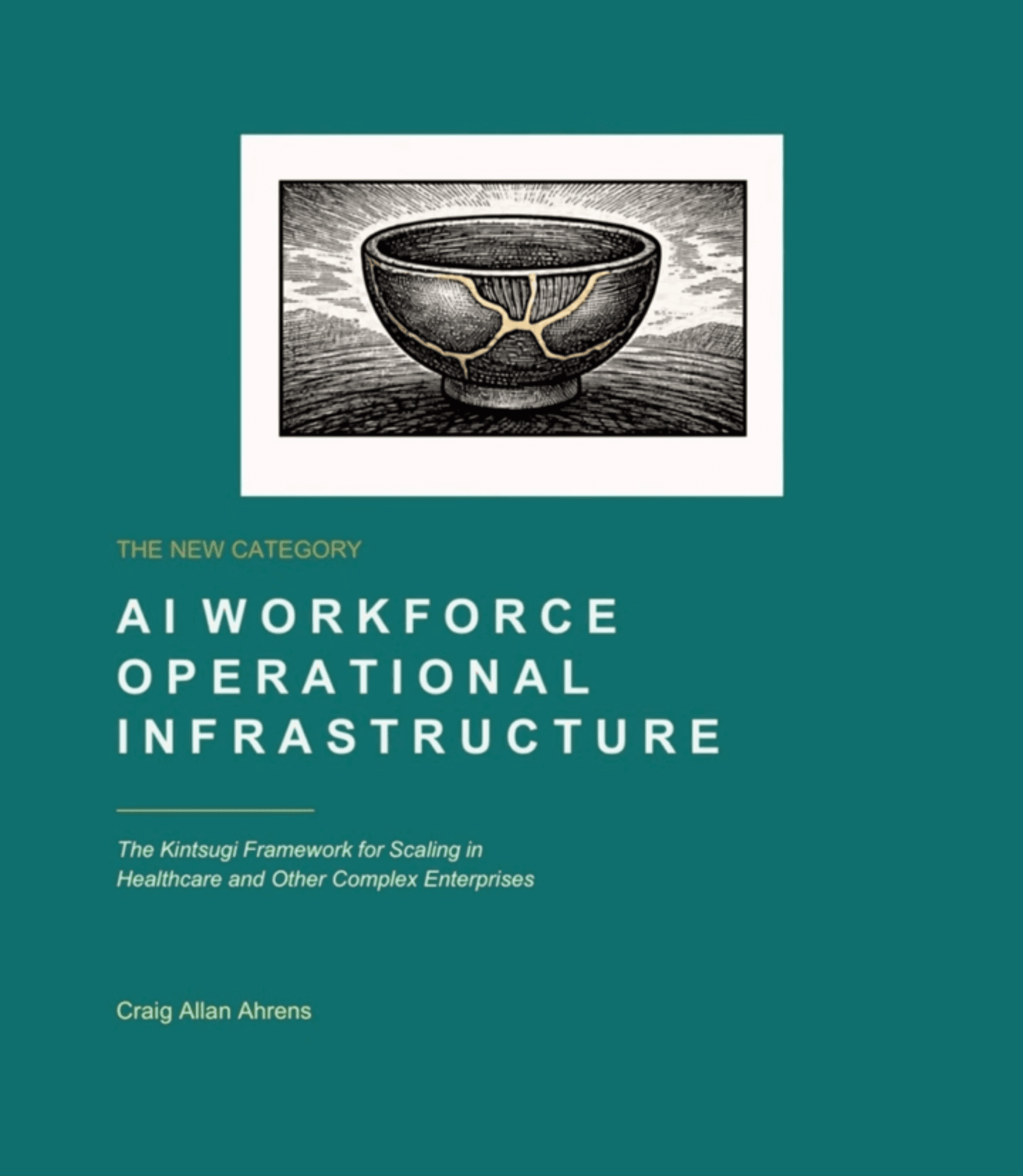
This book declares a different path. Rather than replacing broken systems, you join them with gold, the gold being AI workforce operational infrastructure. The Kintsugi Framework lays out the architecture for shared, compounding AI workforce infrastructure built on five principles: See, Prepare, Apply, Compound, Declare. A crosswalk that creates interoperability without replacing systems. Capability maps that transform job descriptions from task lists into declarations of human potential. Amplifiers as dynamic agents at the workflows that multiply what workforce professionals can do and an Infrasharing model, modeled on Visa’s payment rails and Civica Rx’s coalition purchasing, that makes every institution that joins smarter, stronger, and less expensive to operate.
AI is not the hero and not the villain. It is infrastructure. The question is whether you build it to extract value from your people or to compound it and provide value for your people.
The human leads. The agents amplify. The infrastructure compounds.
Available now for free preview of pre-first edition and available on Amazon mid-March.
ISBN: 979-8-9951784-0-8

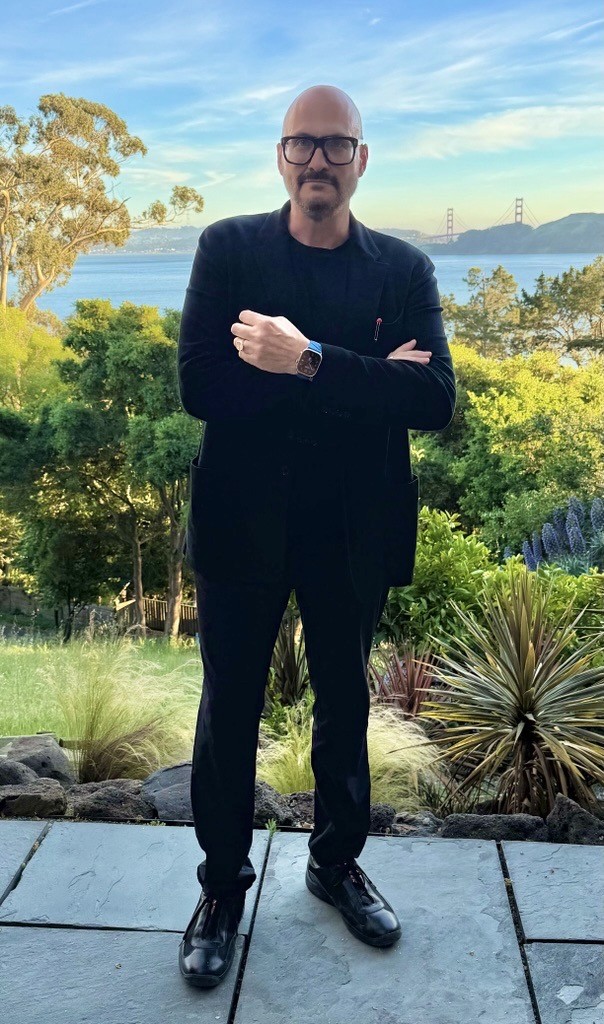
MHA/MBA, Saint Louis. Executive Education, Wharton. Started as a healthcare operations leader. Created the workforce marketplace (–Uber for Nursing–) for health systems thesis and scaled it in a Y Combinator company. Then carried the thesis forward to build marketplace infrastructure for health system internal float pools, education subsidies and Uber rides for flexible staff in lieu of wages (first of its kind), and AI enabled automation of the cascading of shifts from internal staff to float pools to flexible external labor.
Used that experience to develop the thesis for a new category: AI Workforce Operational Infrastructure. Author of The New Category – the book that declares the category and the Kintsugi Framework.
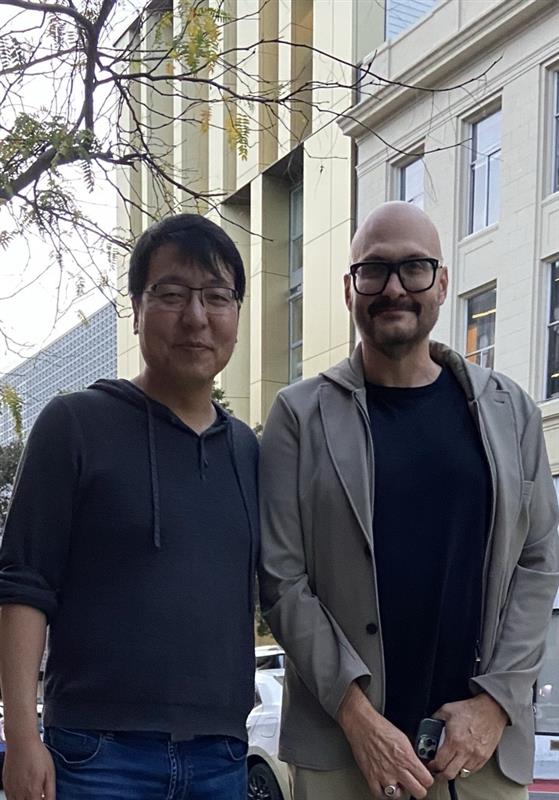
Founding AI/ML engineering team at both Uber and Airbnb. Built and scaled the machine learning infrastructure that powered core platform intelligence at both companies during their highest-growth phases. PhD from UC Berkeley.
Building the technology for a new category: Workforce Unifying Infrastructure. The AI-native platform that fills the cracks between systems and turns fragmented data into unified intelligence.
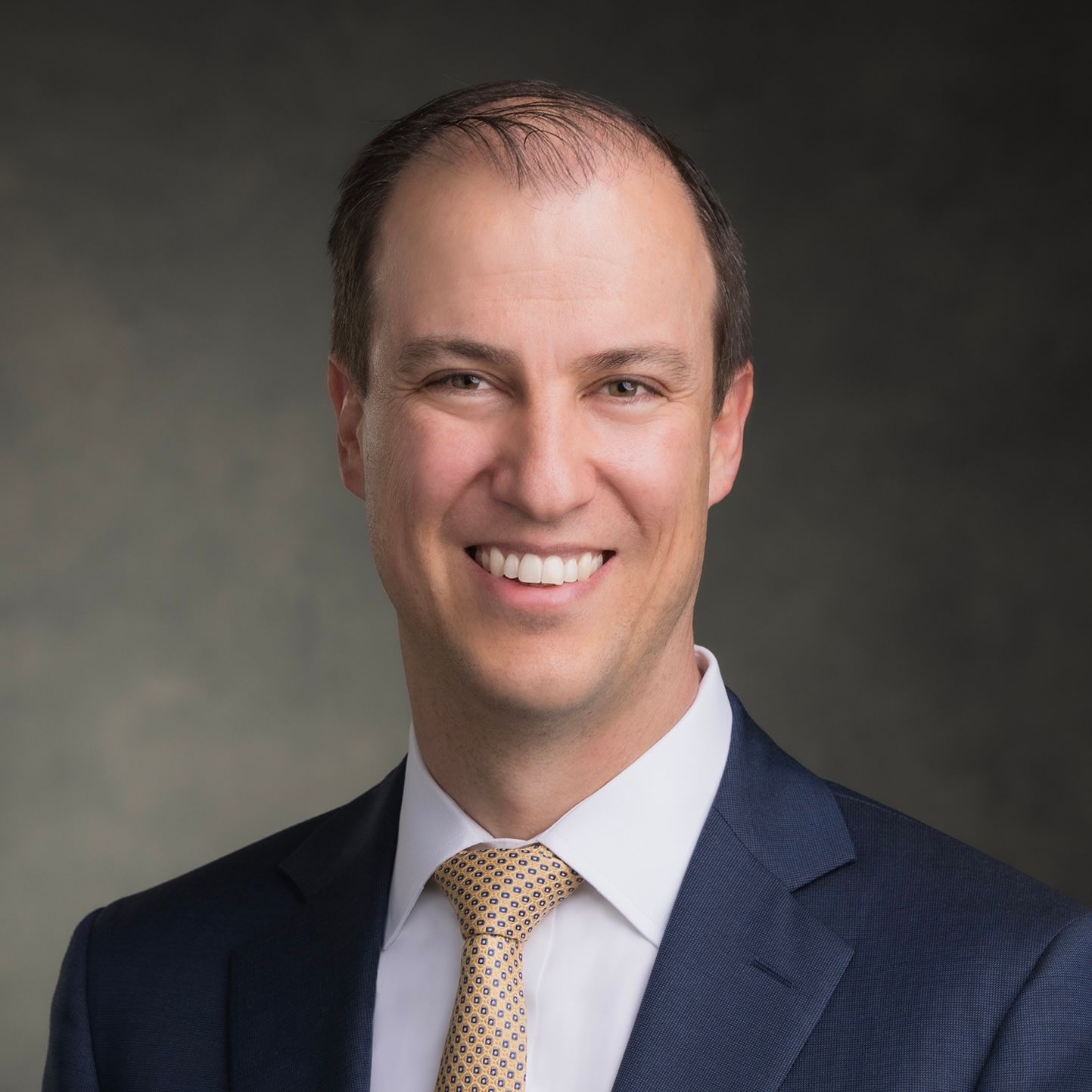
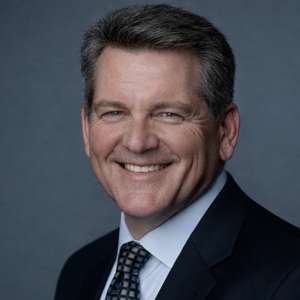
33 years of healthcare operational consulting and turnaround leadership. Practice leader and senior managing director across FTI Consulting, Navigant, ECG Management Consultants, and Arthur Andersen. Over $3 billion in documented operational expense reductions across health systems nationwide.
Drives commercial execution, pipeline development, and the go-to-market motion that converts health system relationships into signed contracts and active coalition members.